

Turning Experience into Expertise and Building a Stronger Talent Pipeline: Jinlian International's Green Shoots Program
Summary: Jinlian International continues to refine its internal trainer development system. Through a five-stage learn, develop, teach, assess and refine training program, it turns individual experience into reusable organizational assets and advances organizational development by building a talent pipeline.
Change is constant in cross-border logistics: freight rates rise and fall, routes shift, customs rules change, and customer needs become more specific each year. Organizations must keep building their capabilities, and talent development needs to move in step with the business.
How can experience held by individuals become reusable knowledge?
How can business specialists learn to share what they know?
How can employee development gradually rely less on external providers and more on the company's own people?
To address these questions, Jinlian International upgraded its internal trainer development system from July to October 2026 with a learn, develop, teach, assess and refine program called Green Shoots. The initiative represents another sustained, systematic investment in talent development and a practical step toward a more structured and ongoing internal trainer team.
Training is never an isolated activity for a company. It needs to support organizational and talent strategies, meet business teams' real needs for a mature talent pipeline, and solve learners' current problems. That is what makes training relevant.
The internal trainer research covered organizational strategy and workforce planning, participants' experience and challenges with course development, instructional slide design and presentation skills, and training needs arising in their day-to-day work. Several rounds of research led to a five-stage development path: learn, develop, teach, assess and refine.
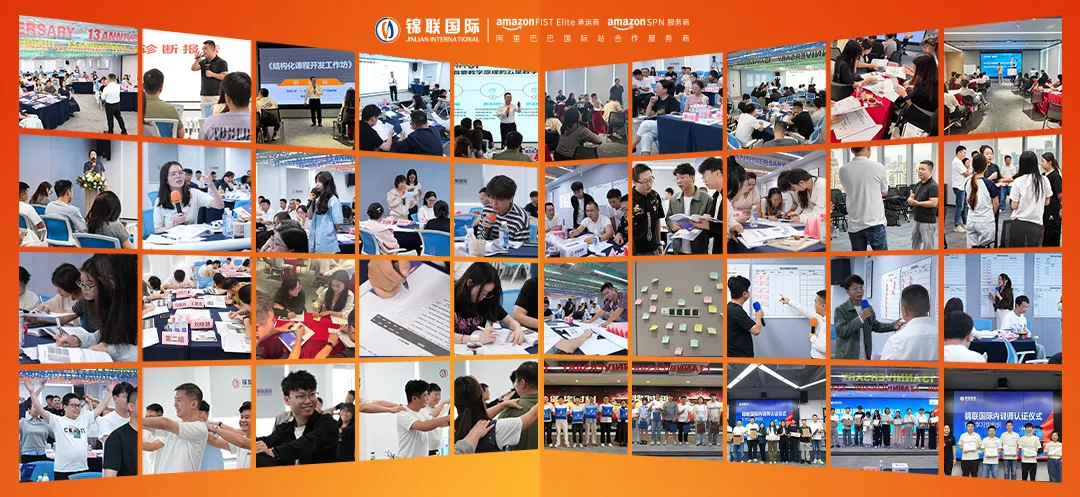
The “learn” stage includes three days of in-depth training in each Green Shoots cohort, led by training specialists from the Human Resources Center. The Structured Course Development Workshop explores what a course is for: solving problems, influencing behavior and passing knowledge across the organization. It provides structured course development and design methods, from core concepts to practical techniques, helping internal trainers turn a topic into an effective course step by step.
Practical modules such as Instructional Slide Design and Presentation Skills focus on learning-material design and hands-on teaching practice, helping participants move from daring to take the stage to delivering with confidence.
The assignment came in the same week the courses ended: develop version 1.0 of a course within one week.
The value of “develop” lies not only in improving course quality but also in helping participants build their own skills. Course logic becomes clearer, core ideas more focused, learning activities better tuned and materials more consistent. With practice, participants deepen their understanding of training and build experience of their own.
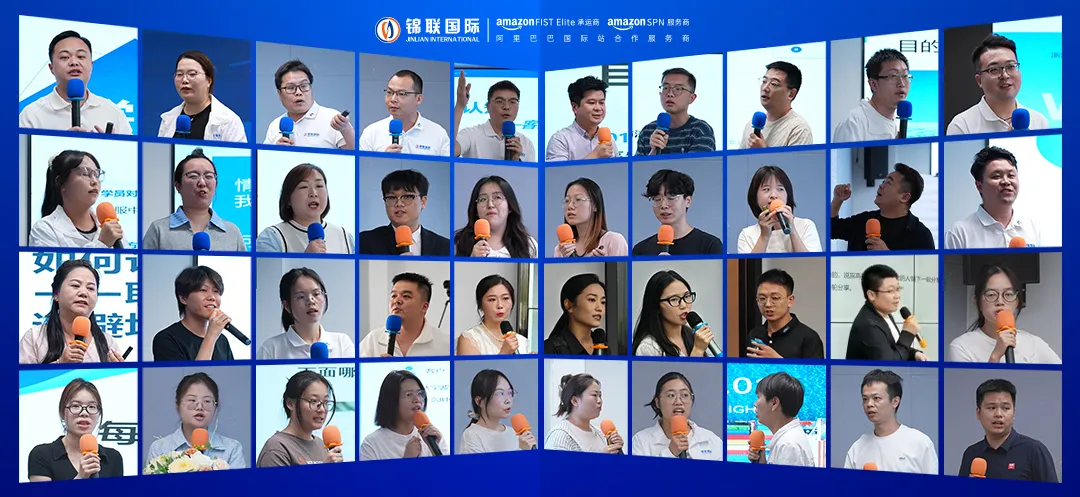
Certification is a comprehensive review of internal trainers' learning and practice, and a key step in their transition from learners to qualified instructors. Each participant delivers a practice lesson, with every stage assessed—from opening to close, content to format, presentation to classroom facilitation. Certification is not the finish line. From that day on, trainers at the front of the room represent a new company standard.
Internal trainers do more than develop and teach individual courses. They pass on company experience, including Jinlian's values, operating standards and customer service expectations. The company continues to invite more business specialists to join the internal trainer team.
In a fast-changing cross-border logistics industry, a company's competitiveness ultimately depends on how quickly it learns. Internal trainers are among the most direct drivers of organizational learning.
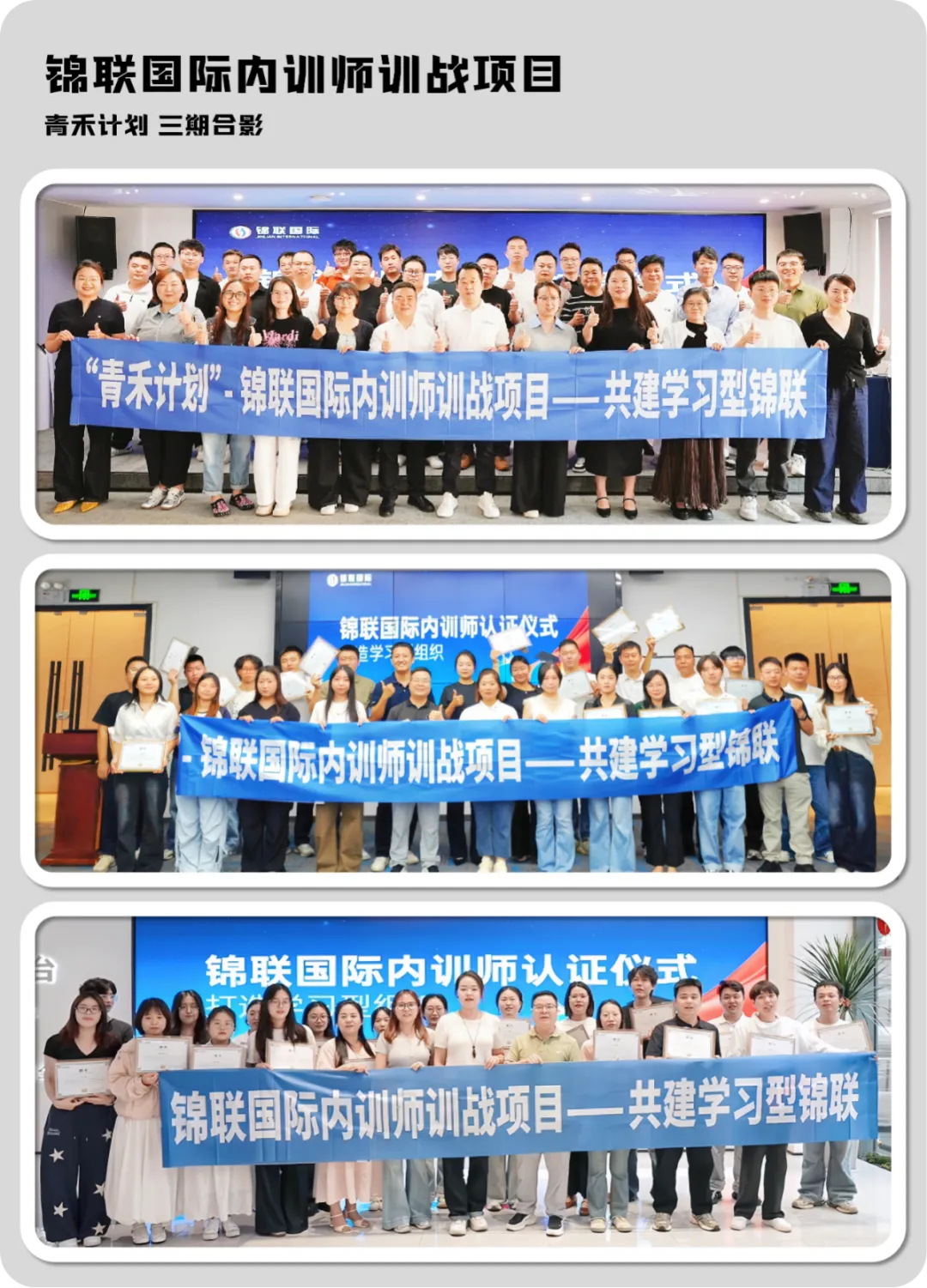
In 2027, Jinlian International will continue refining its internal trainer development model and expand the program, making the trainer team an important support for its talent pipeline.
Jinlian also looks forward to welcoming more colleagues to the front of the classroom—to carry forward and share the experience built over the years, make knowledge transfer part of everyday work, and build a deeper, stronger talent pipeline.