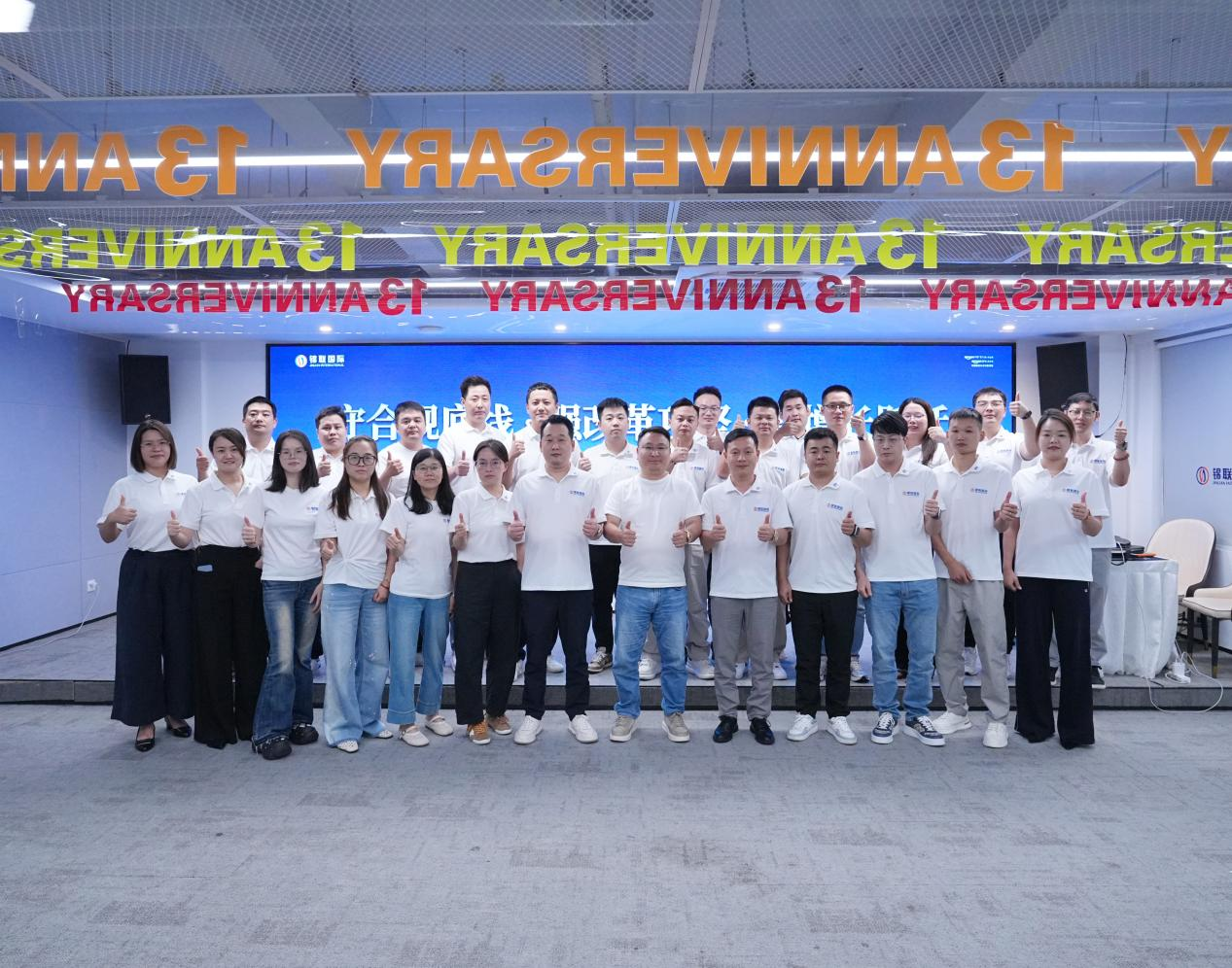

Hold the Compliance Baseline · Strengthen Reform and Tackle Key Problems · Seek Growth Leap | Jinlian International 2026 Semi-Annual Business Analysis Meeting Successfully Held!
Jinlian International 2026 Semi-Annual Business Analysis Meeting Successfully Held!
From August 14 to 15, the Jinlian International 2026 Semi-Annual Business Analysis Meeting was held at the headquarters. The company's management gathered together, with the theme "Hold the Compliance Baseline · Strengthen Reform and Tackle Key Problems · Seek Growth Leap," comprehensively reviewing the first half's operating results, deeply identifying problems, and clarifying the key direction for the second half. This was not only a systematic review of the first half, but also a strategic assembly facing the second half.
Setting the Tone: Facing the Changing Situation Head-On, Three Required Questions Anchor the Year's Direction
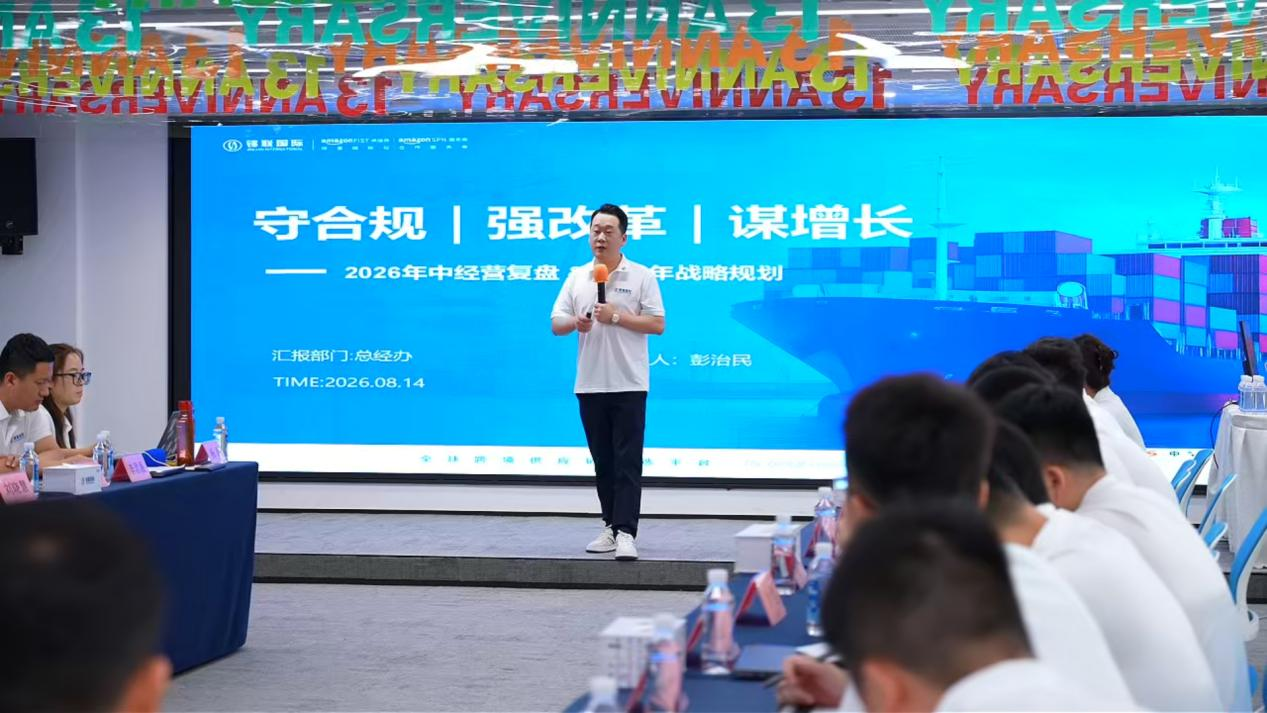
At the beginning of the meeting, Mr. Peng, General Manager of Jinlian International Logistics, summarized and shared the company's semi-annual operating situation around the core topics of this semi-annual business analysis meeting. Facing the complex and ever-changing international economic and trade environment and the densely implemented new industry regulatory rules, Mr. Peng deeply expounded on the background and practical significance of the theme "Hold the Compliance Baseline, Strengthen Reform and Tackle Key Problems, Seek Growth Leap," clearly stating that this is not only the research main line of this meeting, but also the three required questions that Jinlian International must answer in the second half and even the longer cycle ahead. Mr. Peng's sharing set the tone of "facing problems directly and seeking practical results" for the entire meeting, and officially kicked off this semi-annual review and planning work.
Review: Measuring Operations with Data, Letting Every Sector Be Seen
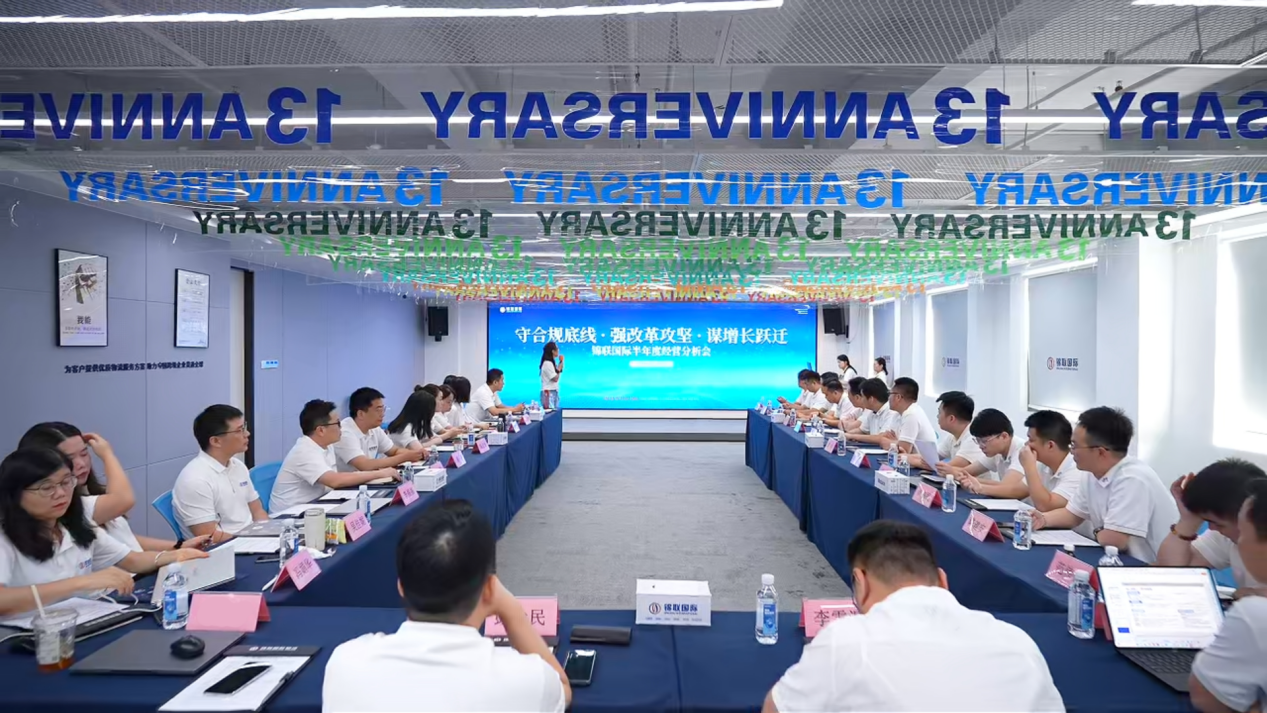
Finance took the lead, using core indicators such as revenue structure, risk control and cash flow as entry points to conduct a comprehensive review and objective presentation of the company's operating foundation. Subsequently, the marketing department reported on performance target achievement, market incremental space and customer structure analysis, deeply analyzed the opportunities and challenges faced by the sales end combined with frontline feedback, and put forward second-half attack ideas on key topics such as how to accurately identify value customers, optimize customer structure and improve market penetration.

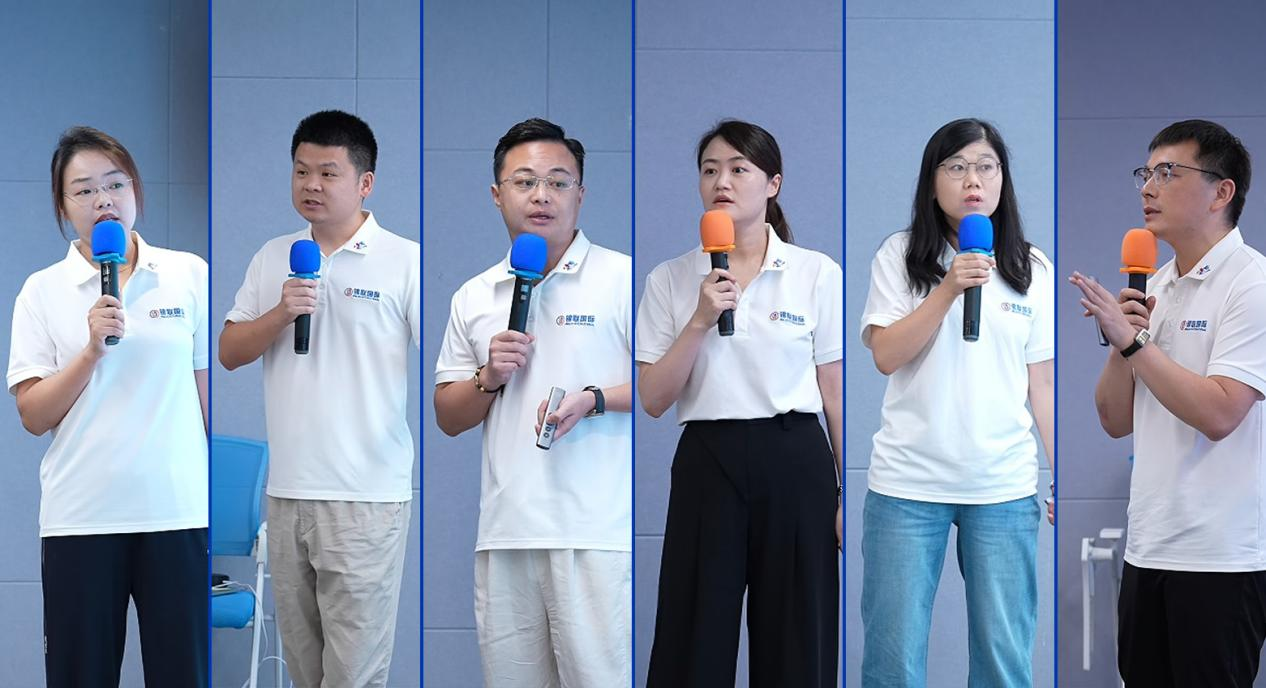
In the subsequent meetings, the heads of various functional departments also systematically presented the overall operating picture of the first half and improvement plans for the second half around key topics such as product channels, customer service, digital projects, implementation, problem shortcomings and optimization measures, combined with the actual situation of their respective business sectors.
It is worth noting that since 2026, the cross-border logistics industry has been experiencing an unprecedented compliance storm. Countries have successively cancelled duty-free policies for low-value goods, and platforms such as Amazon have also intensively issued new import compliance requirements, with regulatory thresholds continuing to rise. Facing the comprehensive reshaping of industry rules, this meeting placed "holding the compliance baseline" at a strategic height. The meeting made it clear that compliance is not a cost burden, but the core competitiveness of sustainable development. In the first half, the company has proactively deployed a compliance system around the new trade policies of various countries; in the second half, it will adhere to "compliance first, then business," embedding bottom-line thinking into every business link.
Focusing: Turning the Knife Inward, Breaking Growth Bottlenecks
Around "strengthening reform and tackling key problems," the meeting directly faced the exposed core shortcomings such as customer structure problems and insufficient cross-departmental collaboration efficiency, reaching a high degree of consensus — reform must be tackled from within the organization.
Product and Service Side:
Review the operating efficiency of core routes such as US lines, Europe lines and Canada, lock in process optimization lists, and commit to responding to diverse needs with more stable and agile delivery capabilities;
Customer Value Side:
Clarify high-value customer identification and service closed loop, forming a systematic path around "improving service quality, optimizing customer experience and reducing customer risk";
Organization Support Side:
Improve managers' business thinking, strengthen execution penetration, sort out cross-departmental collaboration pain points, and open up the efficient connection between front-end needs and back-end resources.
Landing: Responsibility to People, Anchoring Second-Half Key Actions
Around "seeking growth leap," each organizational unit combined first-half data to lock in the second-half key optimization list, and carried out practical discussions around execution blockers, resource allocation and risk plans. At the end of the meeting, all outcomes were transformed into a "Second-Half Key Action Plan" with clear matters, responsibility to people, timing to nodes and measurable results. In the end, efficient execution will be used to push strategic consensus into real business results.
Assembly: Welcoming Industry Change with a Certain Attitude
This meeting was a calm review, and even more a powerful assembly. In 2026, cross-border logistics is shifting from "scale expansion" to "service decides victory" — compliance thresholds are rising, and customers' requirements for chain stability are increasingly demanding. Against this background, Jinlian International chooses to face the challenges with higher compliance standards, more determined reform efforts and clearer growth paths.