

CPSC Mandatory Electronic Filing Takes Effect Soon: A One-Article Guide to How to Respond
CPSC Mandatory Electronic Filing Takes Effect Soon: A One-Article Guide to How to Respond
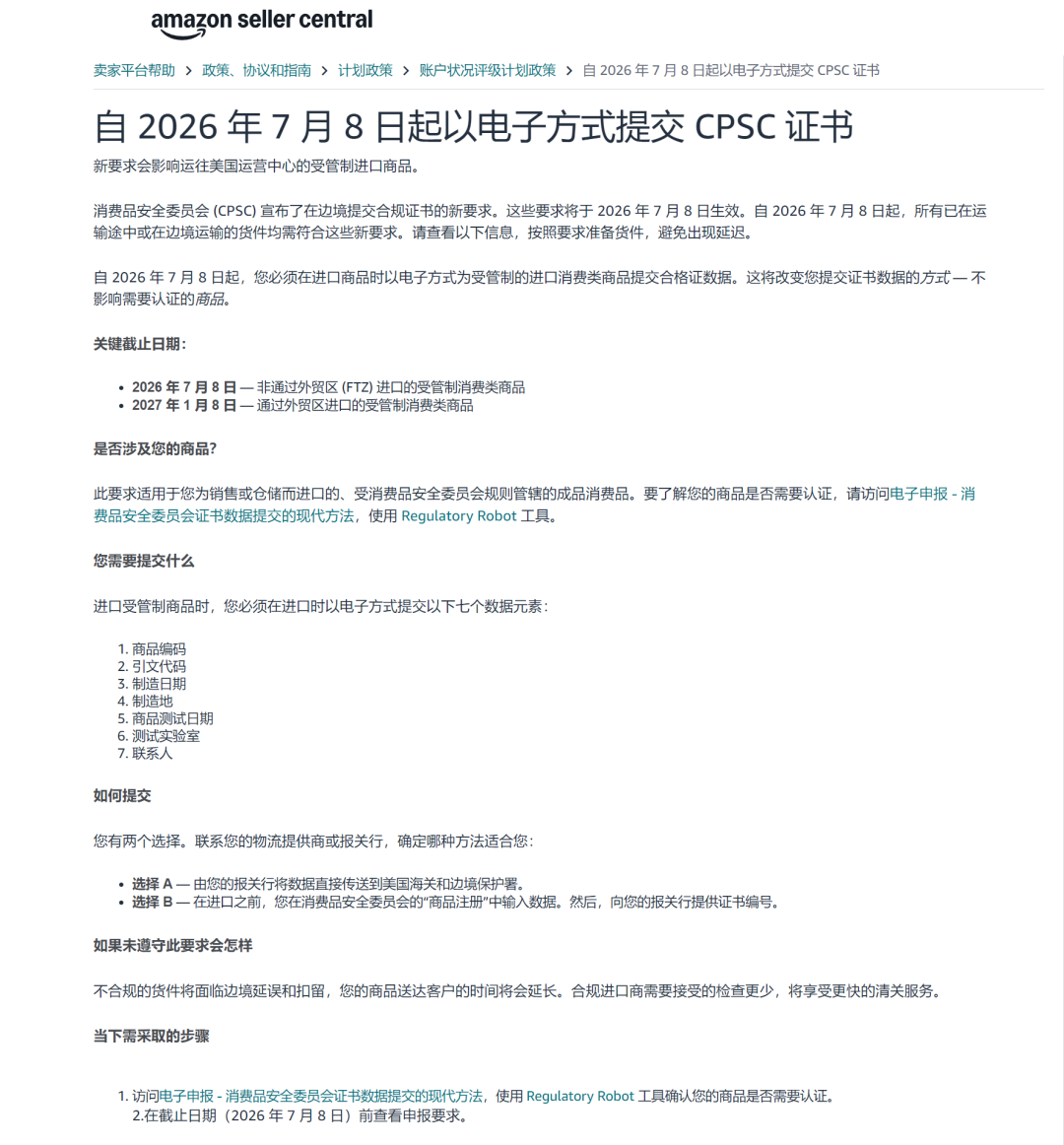
Dear sellers, there is less than a month to go before the US CPSC mandatory electronic certificate filing takes effect on July 8, 2026. If you are still shipping to the US using the old "submit with goods" method, after July 8 your cargo may be detained by customs outright!
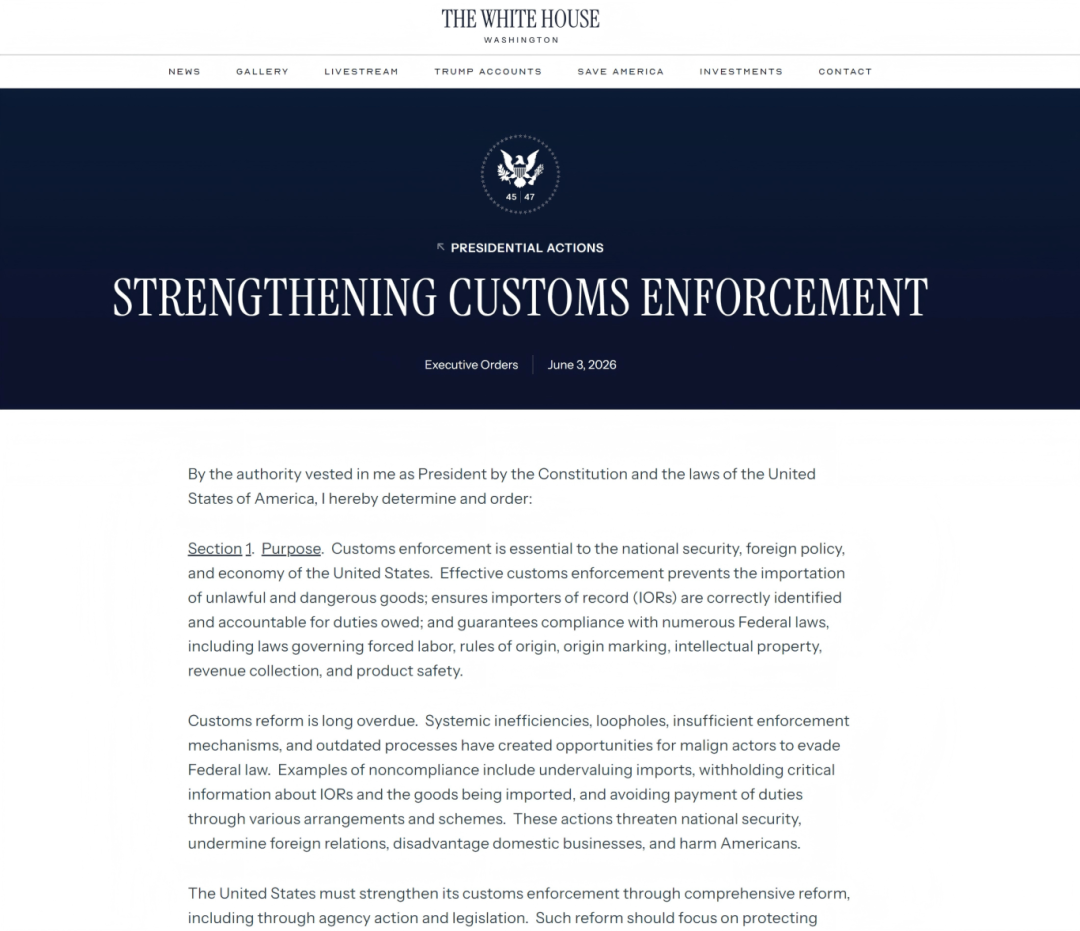
To date, many sellers still have not fully understood what this "CPSC" situation is all about. Today, Jinlian International will take a few minutes to make this clear for everyone.
Core Policy Interpretation
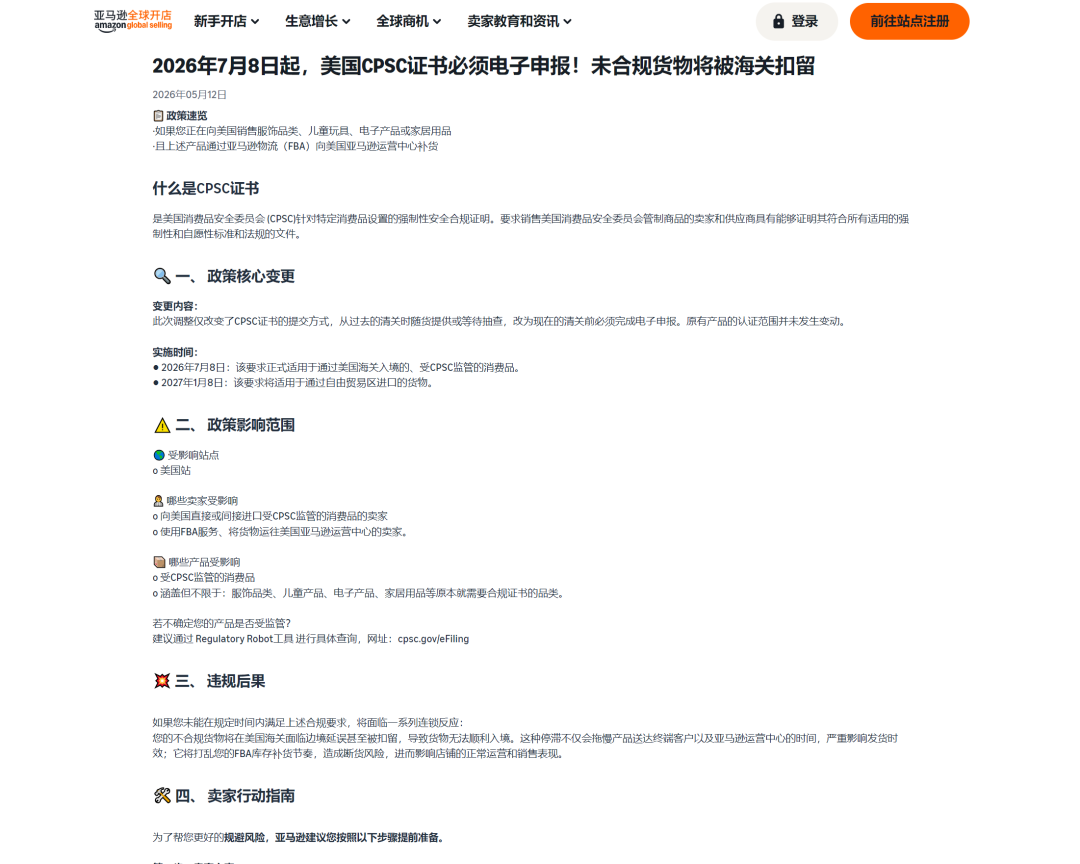
Let's start with the key point: this adjustment does not change the original certification scope, only the submission method. Before: CPSC certificates could be provided with the goods, with customs conducting random inspections. Now: electronic filing must be completed before customs clearance. In other words, US customs will no longer wait for you to submit supplementary materials — your product compliance data must enter the customs system in advance. Implementation timeline: July 8, 2026, formally applies to regulated consumer products entering through US customs; January 8, 2027, applies to goods imported through free trade zones.
Which Sellers Are Affected?
Simply put, if you import consumer products regulated by CPSC into the US directly or indirectly, you will be affected. Sellers of the following categories, and FBA sellers in particular, need to pay close attention: apparel, children's toys, infant and child products, furniture, electronic products, and more.
CPSC has published a list of approximately 600 HTS codes. Products covered by these codes are considered high-risk or subject to mandatory standards and will be prioritized for marking. But note: this list does not cover all categories requiring electronic certificates. If your product is not on the list but actually requires certification, electronic filing is still required.
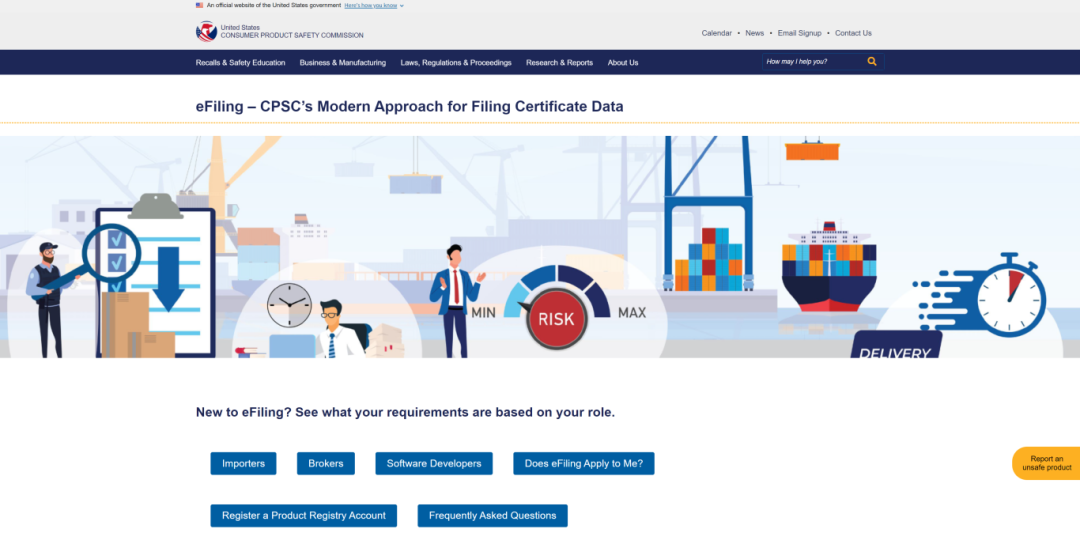
We recommend everyone use the Regulatory Robot tool on the CPSC official website as soon as possible to check whether your products are regulated.
What Needs to Be Submitted?
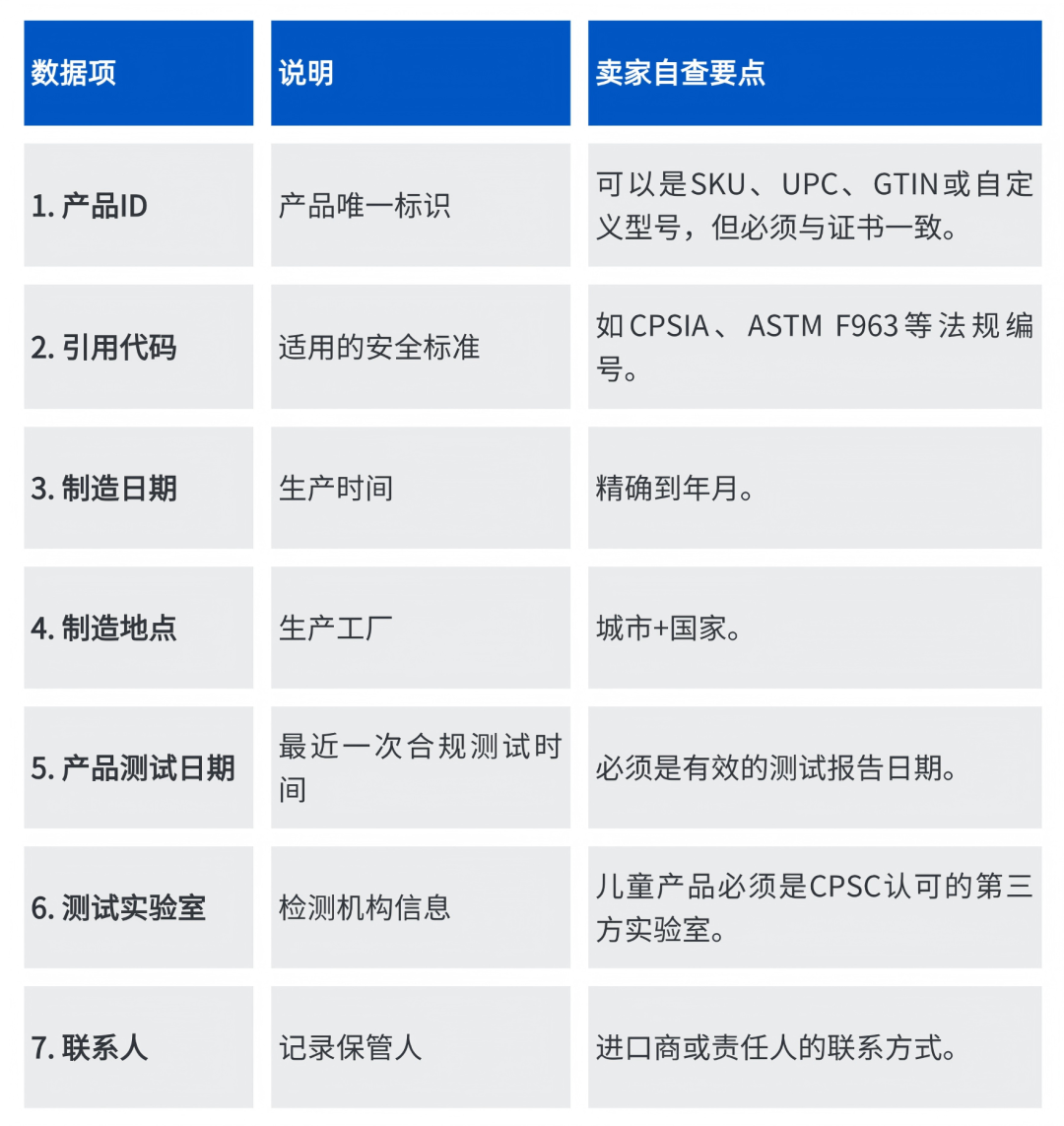
These 7 items of data are required: product ID, citation code, manufacturing date, manufacturing location, product test date, testing laboratory, contact person.
Make sure the data is completely consistent with the test report, and the report header information must also match the customs clearance entity information. If your certificates are incomplete, now is the time to start filling the gaps:
How to File?
Method A: Have your customs broker transmit the data directly to the US CBP ACE system — provide the broker with complete materials in advance. For Jinlian International's seller clients, this method is usually chosen, and we will assist with the entire process.
Method B: The importer first enters the data in the product registration system on the CPSC official website, obtains a certificate number, and then provides the number to the customs broker. A reminder: CPSC is currently in a voluntary submission phase; operational errors before July 8 will not cause cargo delays, making it a golden window for learning the system at low cost. We recommend completing at least one full-process test during this period.
What Are the Consequences of Not Filing?
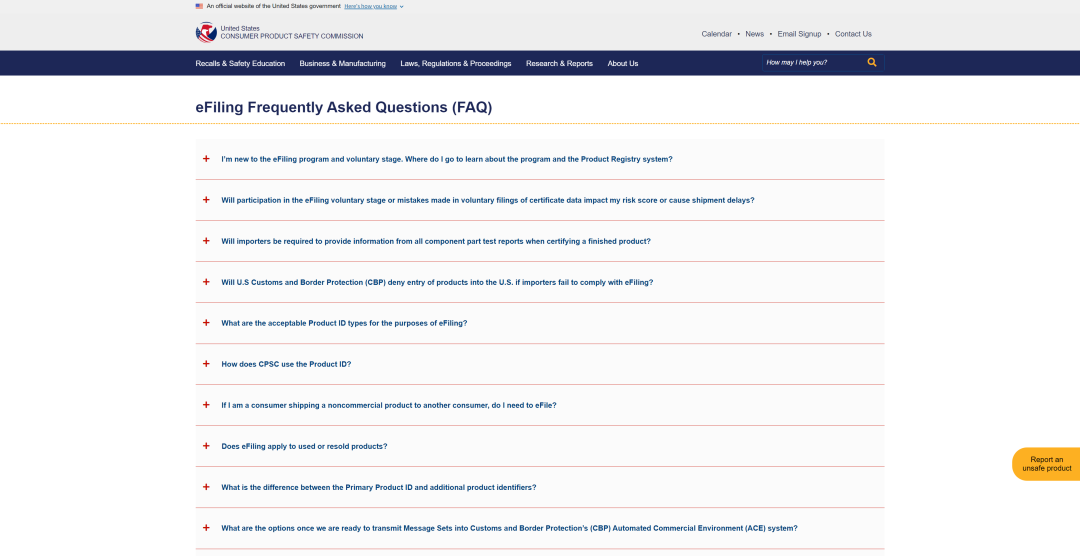
Non-compliant shipments will face border delays and detention, with CPSC inspections holding cargo for up to 45-60 days. All resulting storage and inspection fees are borne by the importer. More critically, customs now uses an AI screening system — once data anomalies are detected, the system alerts immediately, greatly extending the time for products to reach customers and operating centers, disrupting FBA replenishment rhythm, causing stockout risks, and affecting store operations and sales performance.
What Should You Do Now?
First, self-check immediately! Use the Regulatory Robot tool to confirm whether your products require certification.
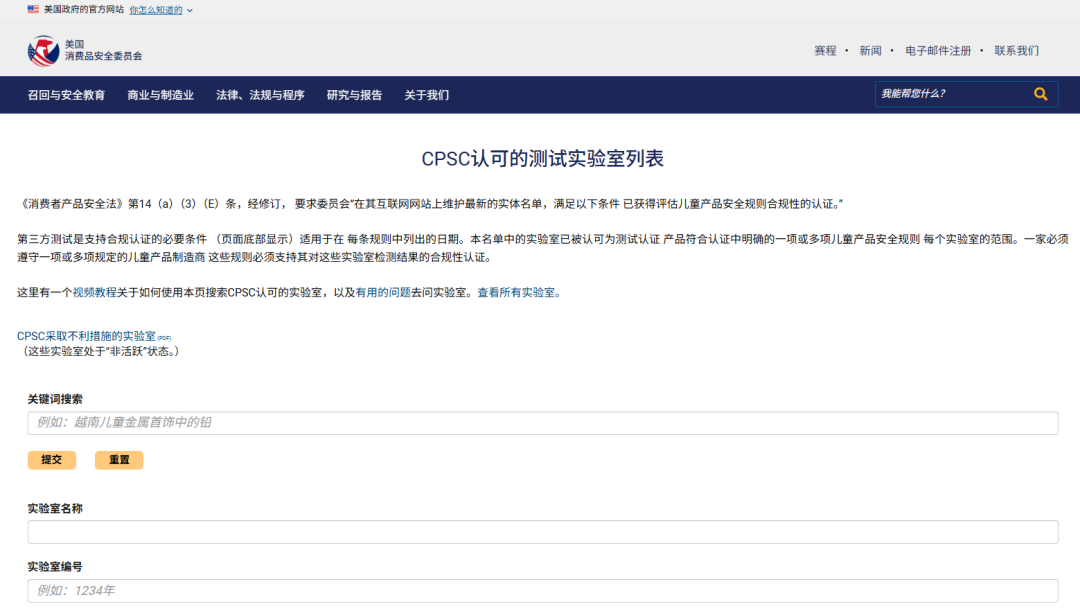
Second, prepare the 7 items of data. Confirm with the testing laboratory that the report information is complete, and ensure the test report comes from a CPSC-recognized third-party laboratory.
Third, contact your customs broker immediately (including us at Jinlian International) to confirm the electronic filing method and test data transmission process. Be sure to complete testing of the entire process before July 8.
Self-Check Tools and Website Links
Sellers can use the following methods to screen qualified testing service providers:
1. Go to the CPSC website: https://www.cpsc.gov/cgi-bin/LabSearch/Default.aspx and filter by "test scope," "country" and other criteria to find qualified local laboratories.
2. For products in the direct verification scope - please refer to the third-party testing, inspection and certification services list: https://sellercentral.amazon.com/help/hub/reference/external/GUTZ2R2DD6P2UMVB?mons_sel_locale=zh_CN&pageName=US%3ASC%3ATrim-help%2Fhub%2Freference%2Fexternal%2FGUTZ2R2DD6P2UMVB
Time is tight before the deadline — get moving! If you have any questions, feel free to contact Jinlian International at any time, and we will assist you throughout the compliance transition.