

Latest News Flash | Logistics Under Geopolitical Tension: China-Europe Railway Express and Trucking Affected, Wang Yi's Poland Visit Sets the Tone for Supply Chain Stability
Logistics Under Geopolitical Tension: China-Europe Railway Express and Trucking Affected, Wang Yi's Poland Visit Sets the Tone for Supply Chain Stability
I. Escalating Geopolitical Rivalry: From Military Standoff to Economic Repercussions
1. Aftermath of the Military Exercise and Normalization of Border Controls
Although the Russia-Belarus "West 2025" joint military exercise ended on September 16, Poland extended its border closure measures to September 25, citing "ongoing security threats." NATO simultaneously launched Operation Eastern Sentinel, with Denmark, Germany and others deploying additional troops to Poland, further cementing the military standoff. This strategy of "doing politics in the name of security" has made the recovery timeline of the main China-Europe Railway Express corridor (Małaszewicze border crossing) highly uncertain.
2. Economic Repercussions Emerge
Poland's unilateral actions have triggered a threefold chain reaction: Risk of European industrial chain disruption: German Volkswagen and BMW face production halts due to parts supply interruptions, while weekly storage fees for cargo stranded at the Port of Rotterdam surged by EUR 2 million. Rising energy and logistics costs: Russia suspended natural gas exports to Poland, and Belarus imposed a 20% "security surcharge" on transit cargo to Poland, pushing Polish energy prices up 12% and logistics costs up 15%-20%. Widening rifts within the EU: France, Germany and others pressured Poland to coordinate a solution, but the Tusk government, hampered by low domestic approval ratings (28%), is unlikely to compromise in the short term, putting the EU's "unified logistics policy" to the test.
II. Impact of the Border Closure on Regional Transportation
1. Rail Transport: China-Europe Railway Express Backlog
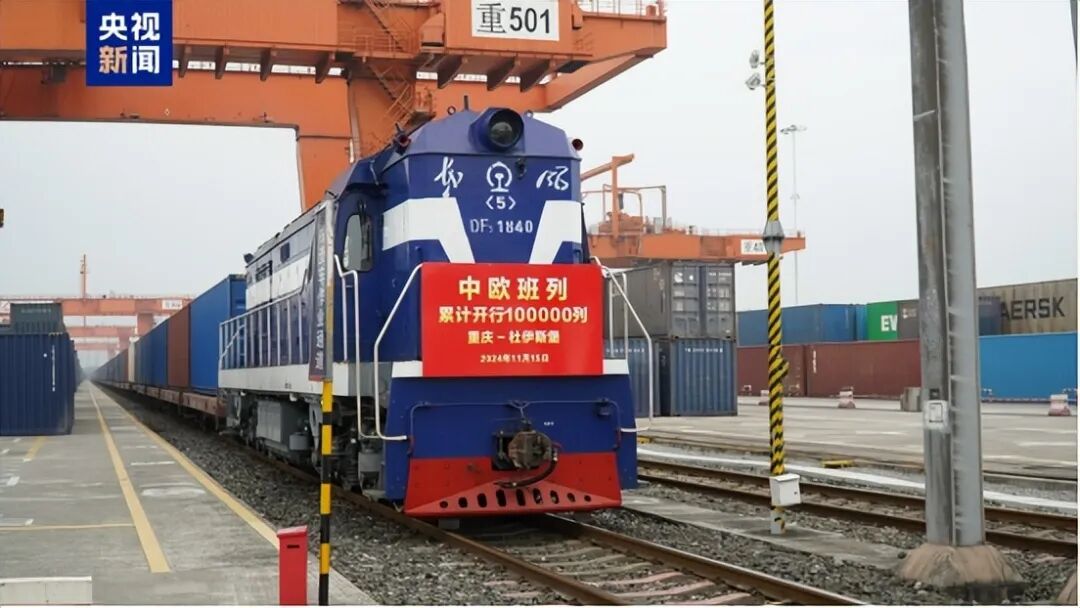
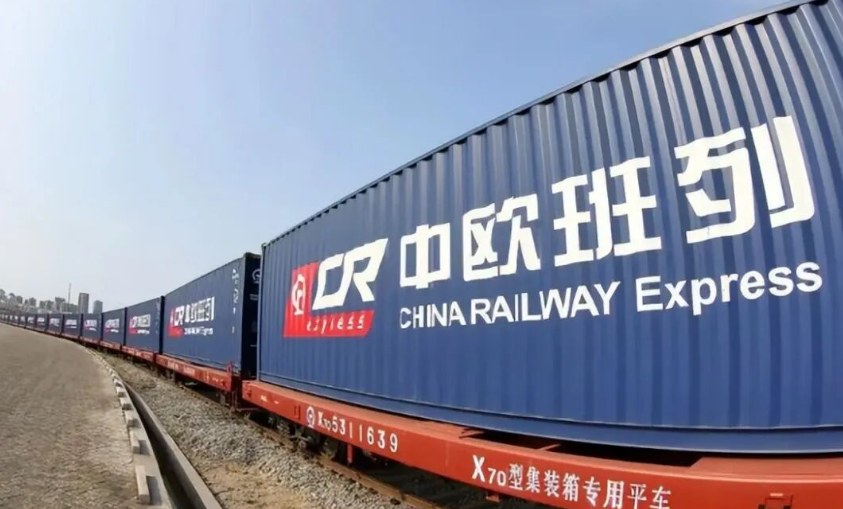
After Poland closed all railway crossings, the China-Europe Railway Express main route of "China – Kazakhstan – Russia – Belarus – Małaszewicze, Poland" was interrupted.
Currently, train operators report they have not yet been affected, and we are still accepting rail cargo normally. However, please note: during the previous border closure, 300 trains had already been backlogged awaiting transit, so even if the border reopens, congestion is highly likely. Moreover, there are many uncertainties throughout the process. To help you prudently mitigate risks, we recommend considering multiple shipping channels such as air freight, sea freight and trucking to minimize the impact of congestion.
2. Road Transport: Stalled Passage and Worsening Congestion
Poland has closed its land borders (including road checkpoints), bringing Poland-Belarus road freight and personnel passage to a complete standstill. After the 2022 Russia-Ukraine conflict, most Poland-Belarus crossings had already been closed, leaving only 2; this closure has further aggravated congestion.
Our trucking routes have proactively bypassed Poland's congested crossings, avoiding congestion risks at the route level, so overall transit times will not be significantly affected.
III. Responses and Positions of All Parties
1. Poland: Border Controls in the Name of "Security Protection"
The Polish government attributed this border closure measure to responding to "the closest situation to war since World War II," with the core purpose of "protecting the safety of Polish citizens." Earlier, the Polish Ministry of Foreign Affairs had already issued advisories urging Polish citizens to avoid Belarus or asking those already there to leave promptly, laying the groundwork of legitimacy for the border control measures from a risk-warning perspective.
2. Belarus and Russia: Accusing Poland of Escalating Tensions
* The Belarusian Ministry of Foreign Affairs responded immediately, summoning the Polish charge d'affaires in Belarus, harshly criticizing Poland's actions as having "created major difficulties" and accusing it of "abusing its geographic advantage" and "deliberately aggravating international tensions."
* Russian Foreign Ministry Spokeswoman Maria Zakharova said in response that Poland's actions were "intended to create an excuse to escalate tensions in central Europe" and that the move would inevitably "cause serious damage to international partners," implicitly referring to the disruption of regional logistics hub functions and trade and economic cooperation order.
3. China: Focusing on Keeping the China-Europe Railway Express Open
Lin Jian, spokesperson for China's Ministry of Foreign Affairs, responded on September 11, stating clearly: "The China-Europe Railway Express is an important cooperation project between China and Poland and between China and Europe, in the interests of both sides. Poland should take effective measures to ensure the smooth operation of the China-Europe Railway Express, which is also its responsibility for maintaining the stability of the international supply chain." China also stressed that it does not wish for local disputes in Europe to affect the normal operation of the China-Europe Railway Express and called on relevant parties to properly resolve differences through dialogue and consultation.
IV. Wang Yi Meets Polish Deputy Prime Minister and Signs Cooperation Documents to Deepen Multifaceted Collaboration
1. China-Poland Talks Held
On September 15, 2025 (local time), Wang Yi held talks with Sikorski in Warsaw and chaired the Fourth Meeting of the China-Poland Intergovernmental Cooperation Committee.
2. China-Poland Relations and Historical Consensus
Wang Yi noted that China and Poland have long-established diplomatic relations and were among the first countries to cooperate in building the Belt and Road. Their relationship is anchored in "mutual respect, equal treatment, mutually beneficial cooperation and exchange and mutual learning," and next year will mark the 10th anniversary of the establishment of a comprehensive strategic partnership. The two sides should summarize experience, carry forward the tradition, and promote the unhindered development of bilateral relations. This year marks the 80th anniversary of the victory of the World Anti-Fascist War. Both the Chinese and Polish peoples have made sacrifices in resisting aggression and should jointly promote world peace and development and improve global governance.
3. International Situation and China-Europe Cooperation
Wang Yi mentioned the challenges facing Europe, emphasizing that the indiscriminate imposition of tariffs violates the rules and that China and Europe should jointly resist them. Amid the turbulent international situation, China, Poland and Europe need to maintain their partnership positioning and safeguard legitimate rights and interests as well as fairness and justice. Sikorski stated that Poland attaches importance to its relations with China, adheres to the One-China policy, and is willing to deepen cooperation in trade, economy, cultural and people-to-people exchanges, as well as major projects such as new energy vehicles, oppose tariff wars, attach importance to China's global governance initiatives, and are willing to work together to improve the governance system.
V. Future Trends: From Crisis Response to Strategic Reconstruction
1. A Diversified Corridor Network Takes Shape
China's railway authorities plan to add 10 alternative routes in 2025, covering emerging markets such as Northern Europe and the Middle East. The normalized operation of routes such as the Trans-Caspian Corridor and the Arctic route will reduce the China-Europe Railway Express's dependence on a single corridor from 70% to below 50%.
2. Technology-Driven Efficiency Revolution
The application of intelligent dispatching systems, new-energy container trucks, blockchain traceability and other technologies will further compress the total transit time of the China-Europe Railway Express to 18-25 days, while trucking maintains a 10-15 day door-to-door advantage through the TIR Convention and ferry upgrades. Railway authorities plan to achieve digital clearance at 90% of border crossings by the end of 2025, reducing the risk of human intervention.
3. Policy Coordination and Rule Innovation
The promotion of policies such as the "single document" for multimodal transport and integrated customs clearance will promote the deep integration of rail and trucking. Pilot experiences in Yiwu, Wuhan and other places are expected to be replicated nationwide, forming a "corridor + hub + network" intermodal system.
VI. Summary
The Polish border closure event was like a "stress test," examining the supply chain resilience and strategic flexibility of the China-Europe Railway Express. Through the activation of alternative corridors, technological innovation breakthroughs and deepened policy coordination, the China-Europe Railway Express is shifting from "crisis response" to "strategic reconstruction." In the future, as diversified routes such as the Trans-Caspian Corridor and the Arctic route mature, and as intelligent and green technologies are deeply applied, the China-Europe Railway Express will play an even more central role in the restructuring of global supply chains, while providing a long-term and stable strategic fulcrum for China-Poland and even China-Europe cooperation.
Jinlian International Reminder
Zhejiang Jinlian International will continue to deepen the development of logistics routes and provide all customers with more stable and efficient logistics services. Please feel confident in choosing our services, and we will wholeheartedly deliver a premium logistics experience. If you have any questions or needs, please feel free to contact us.